 Image 1 of 4
 Image 2 of 4
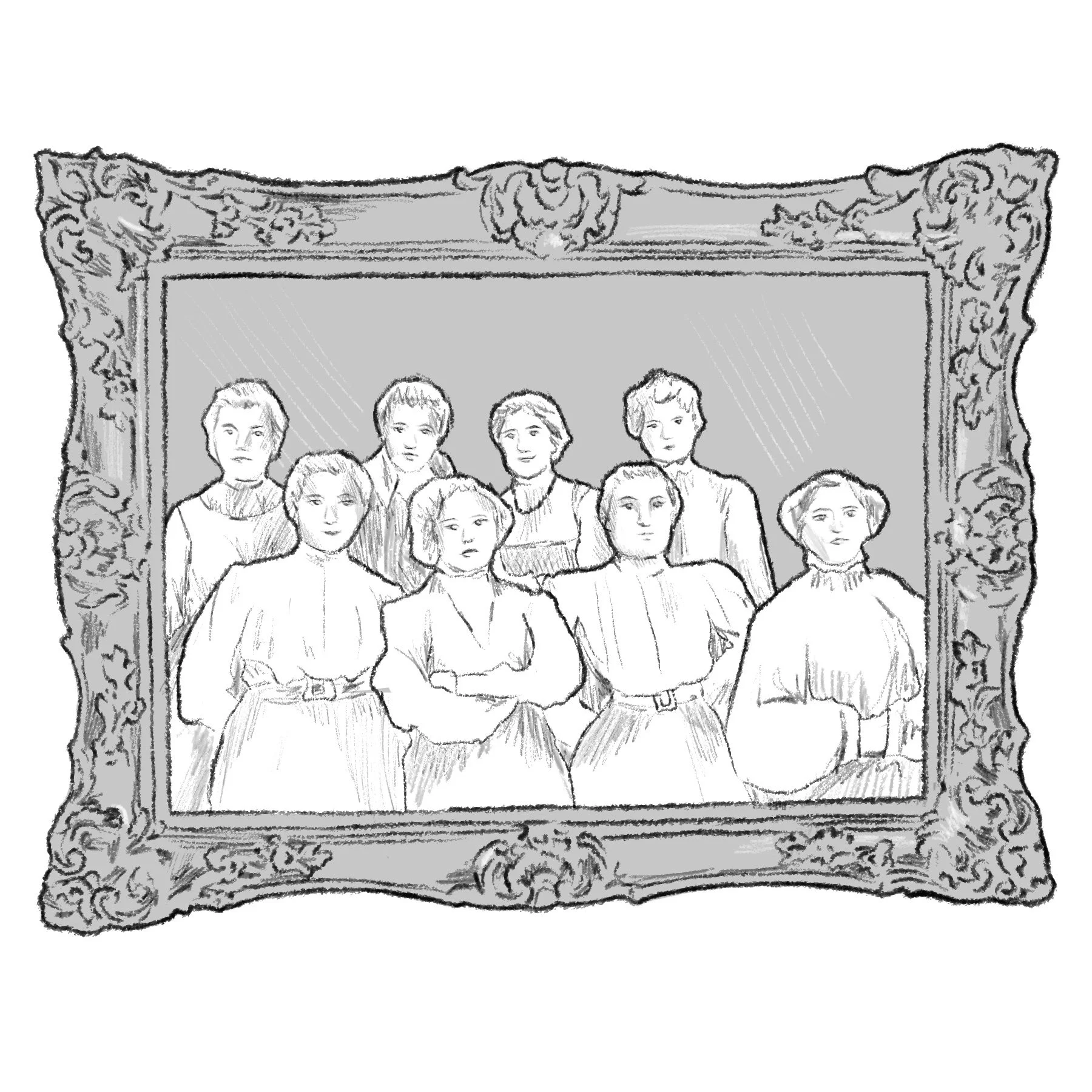 Image 3 of 4
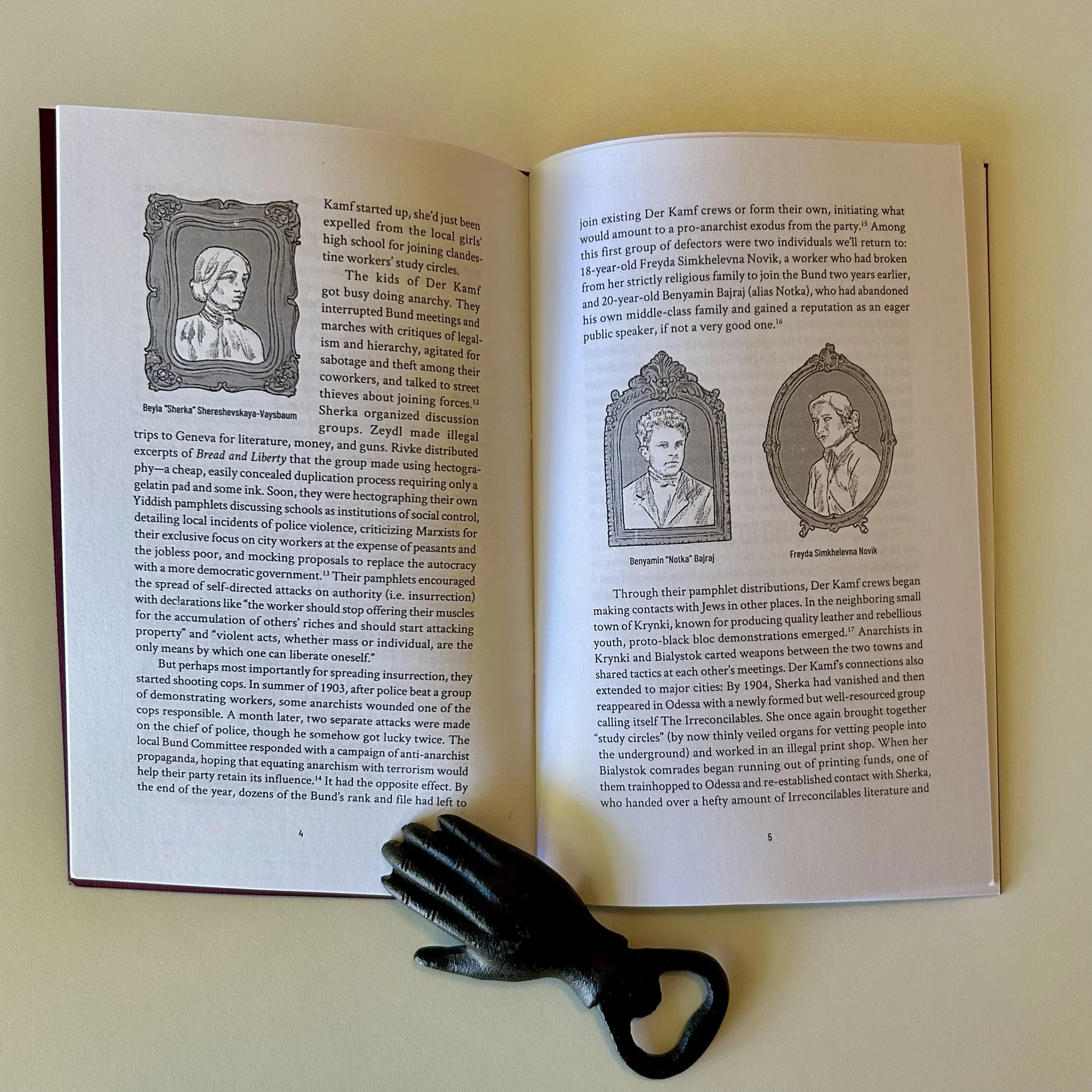 Image 4 of 4
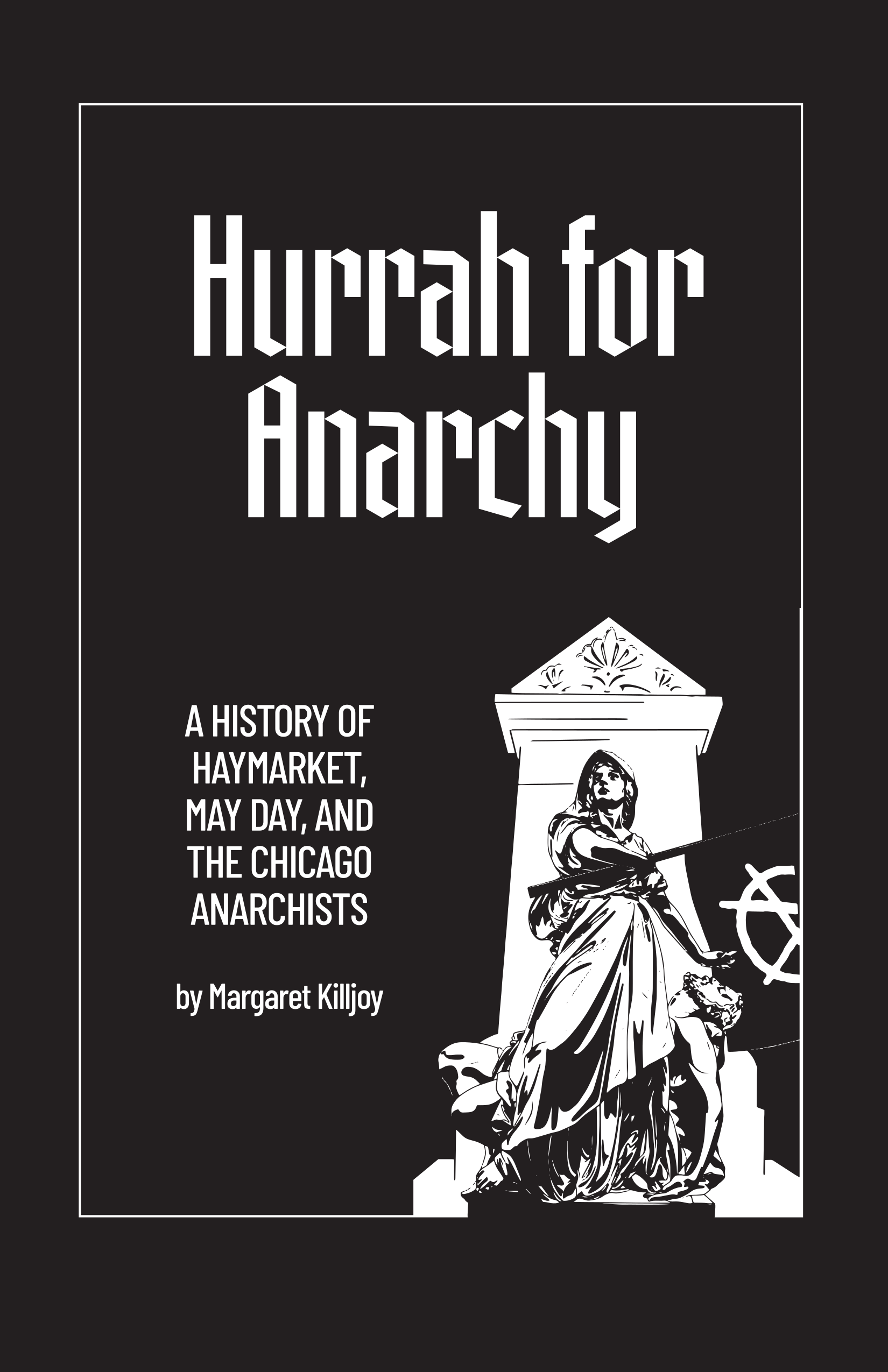
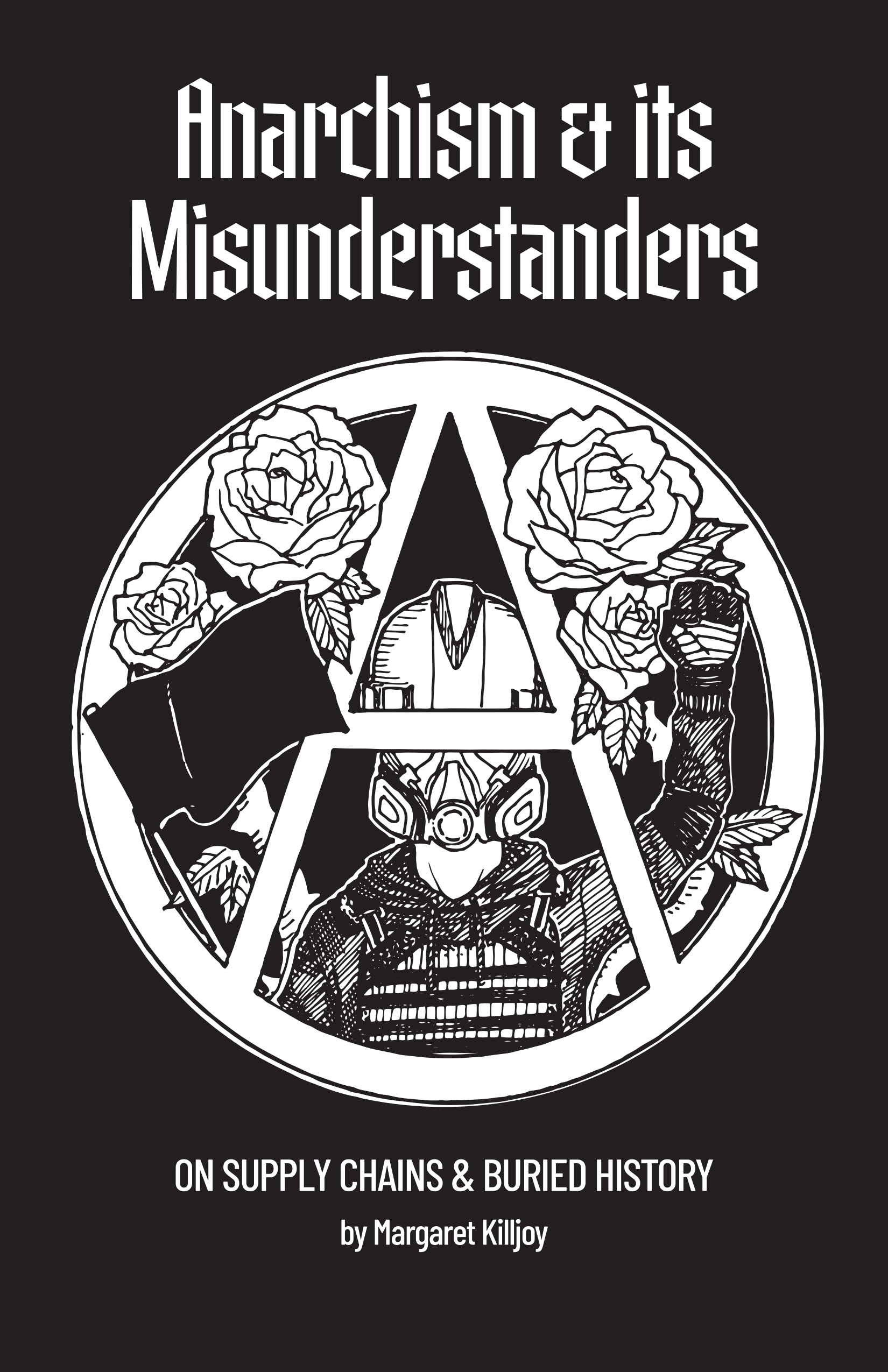
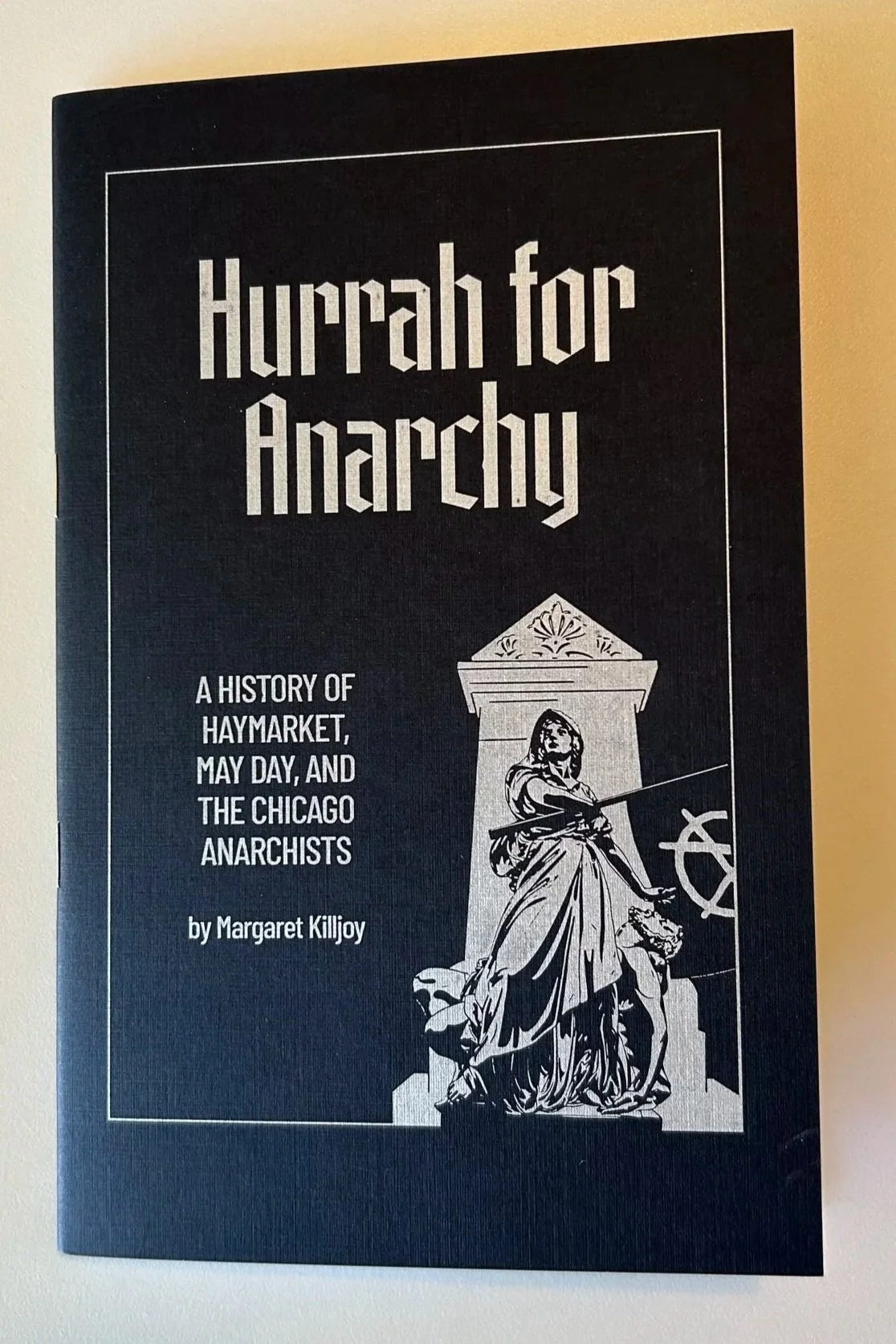
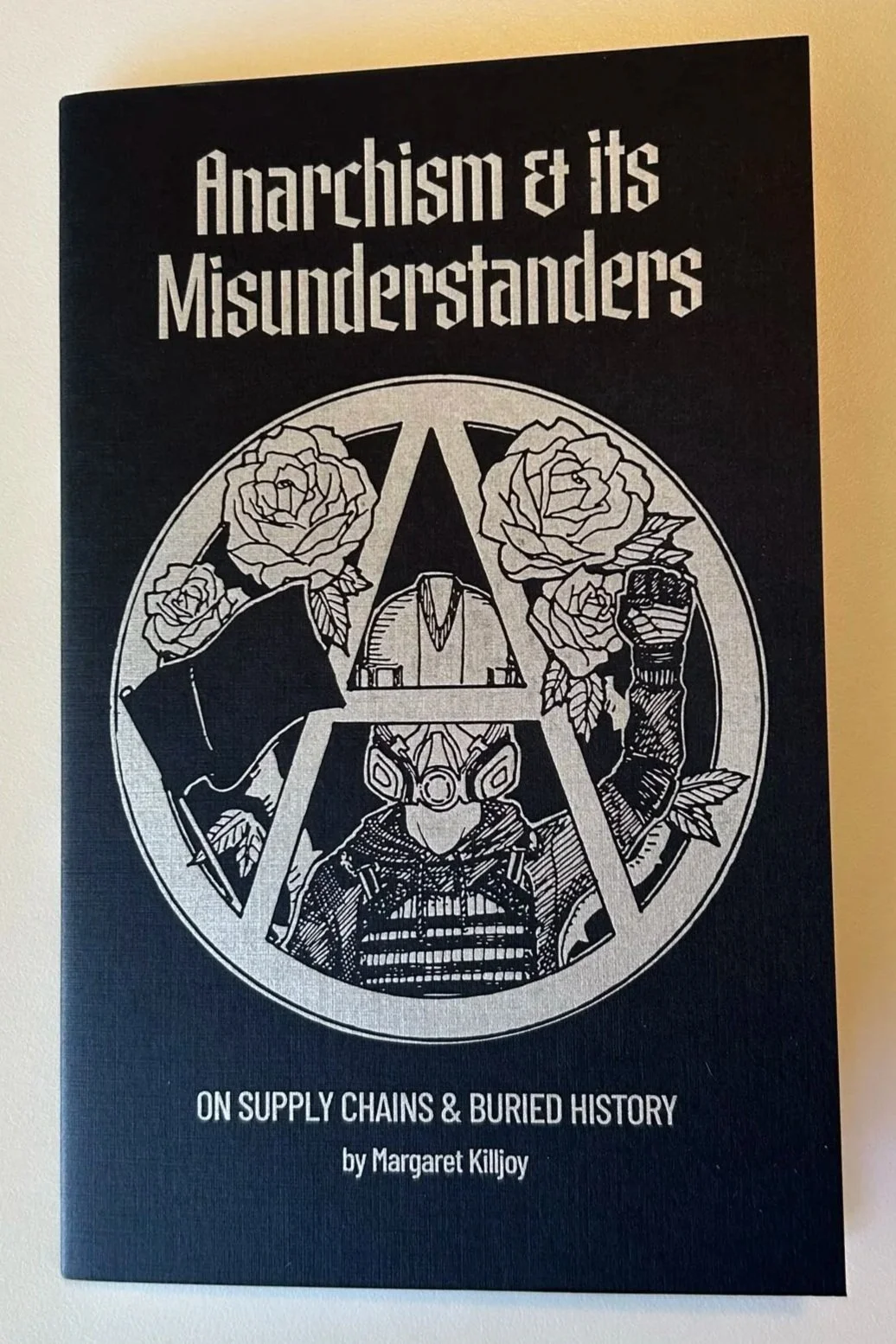
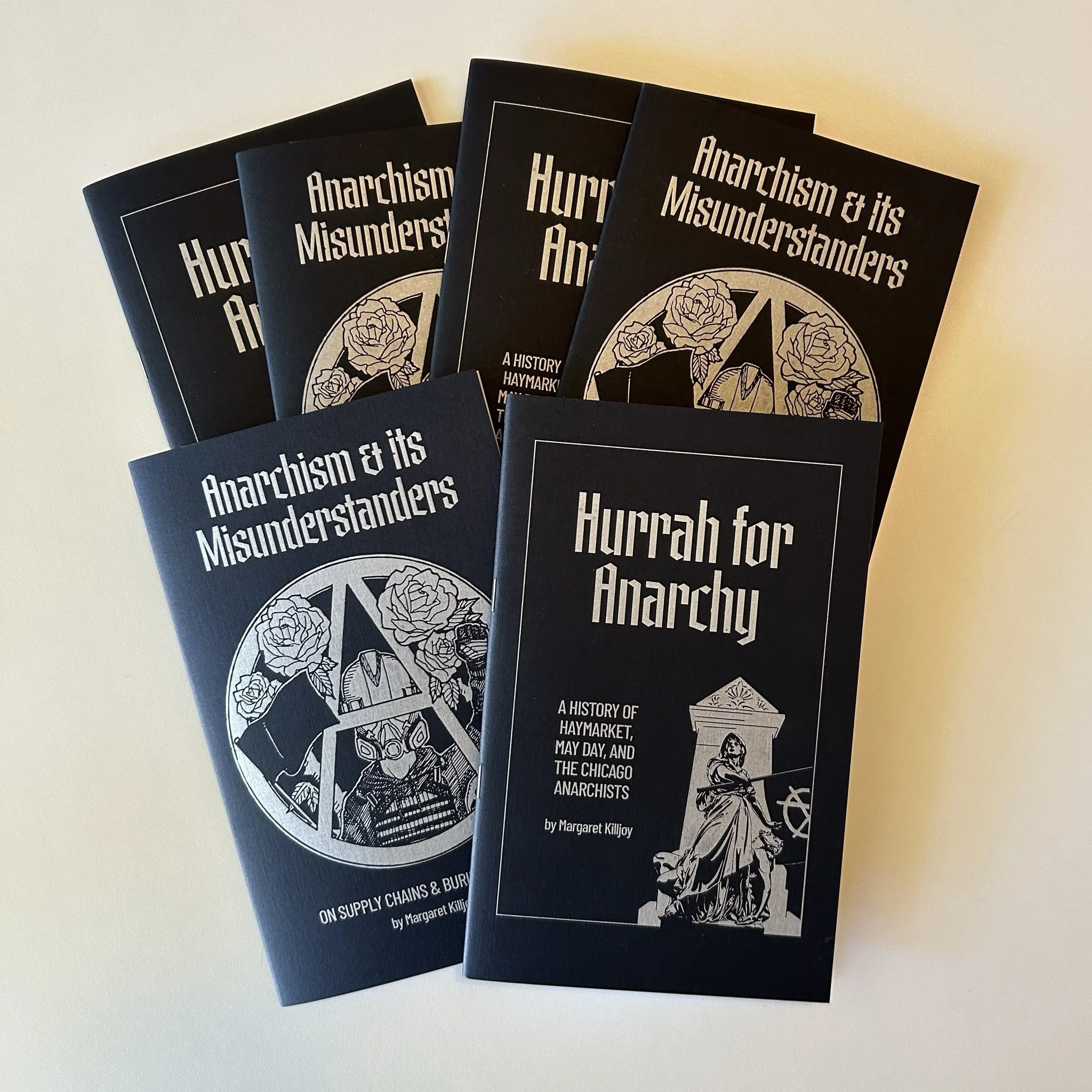
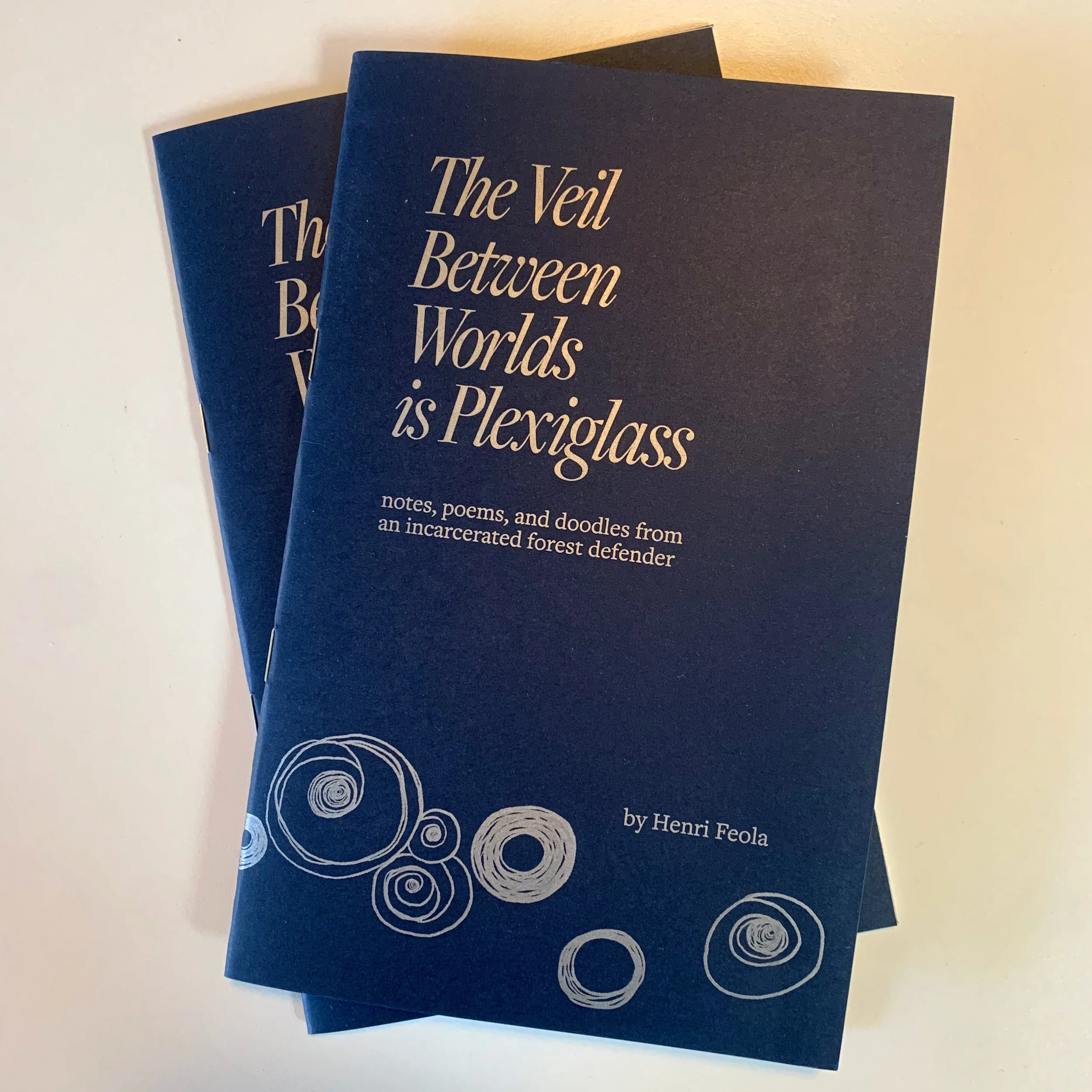
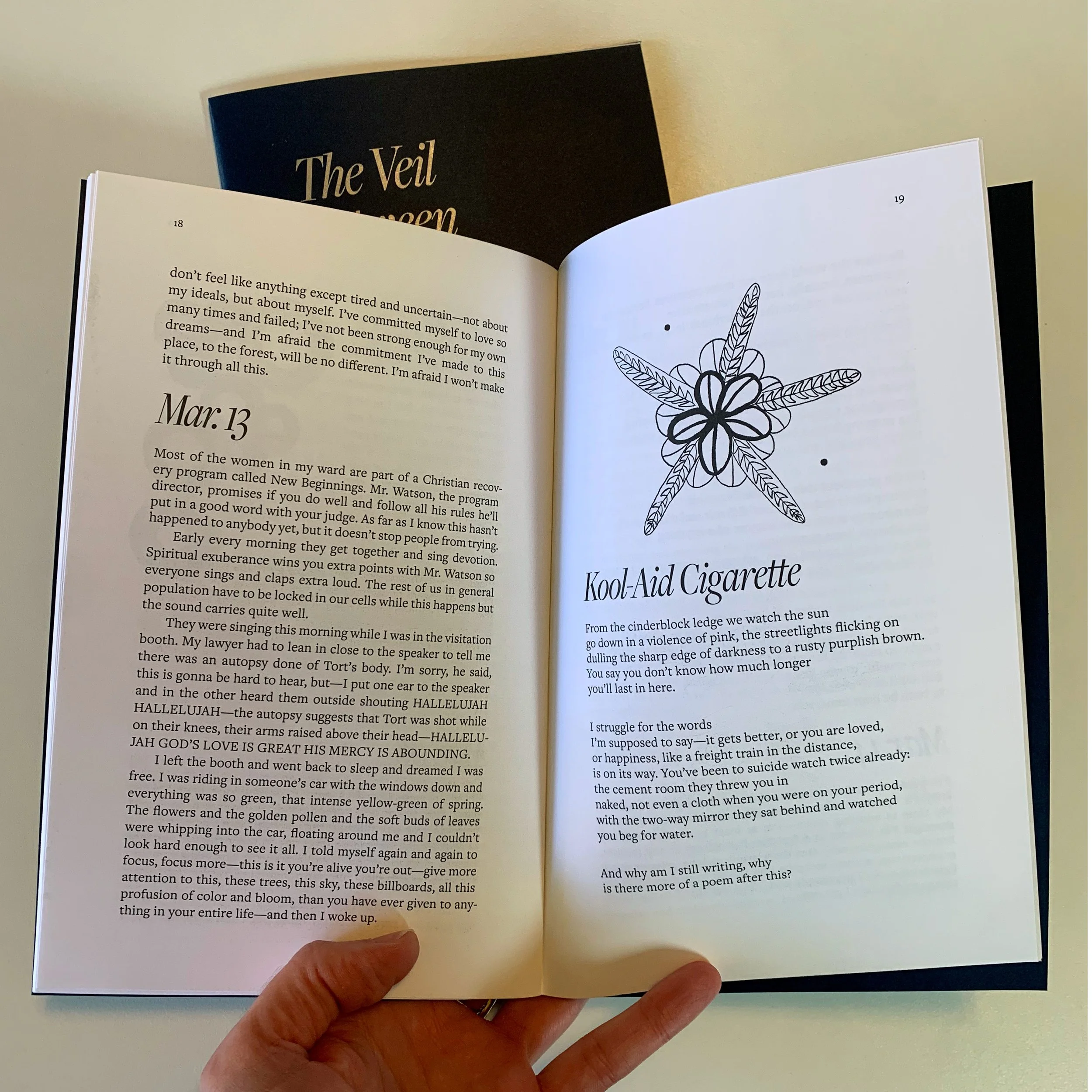
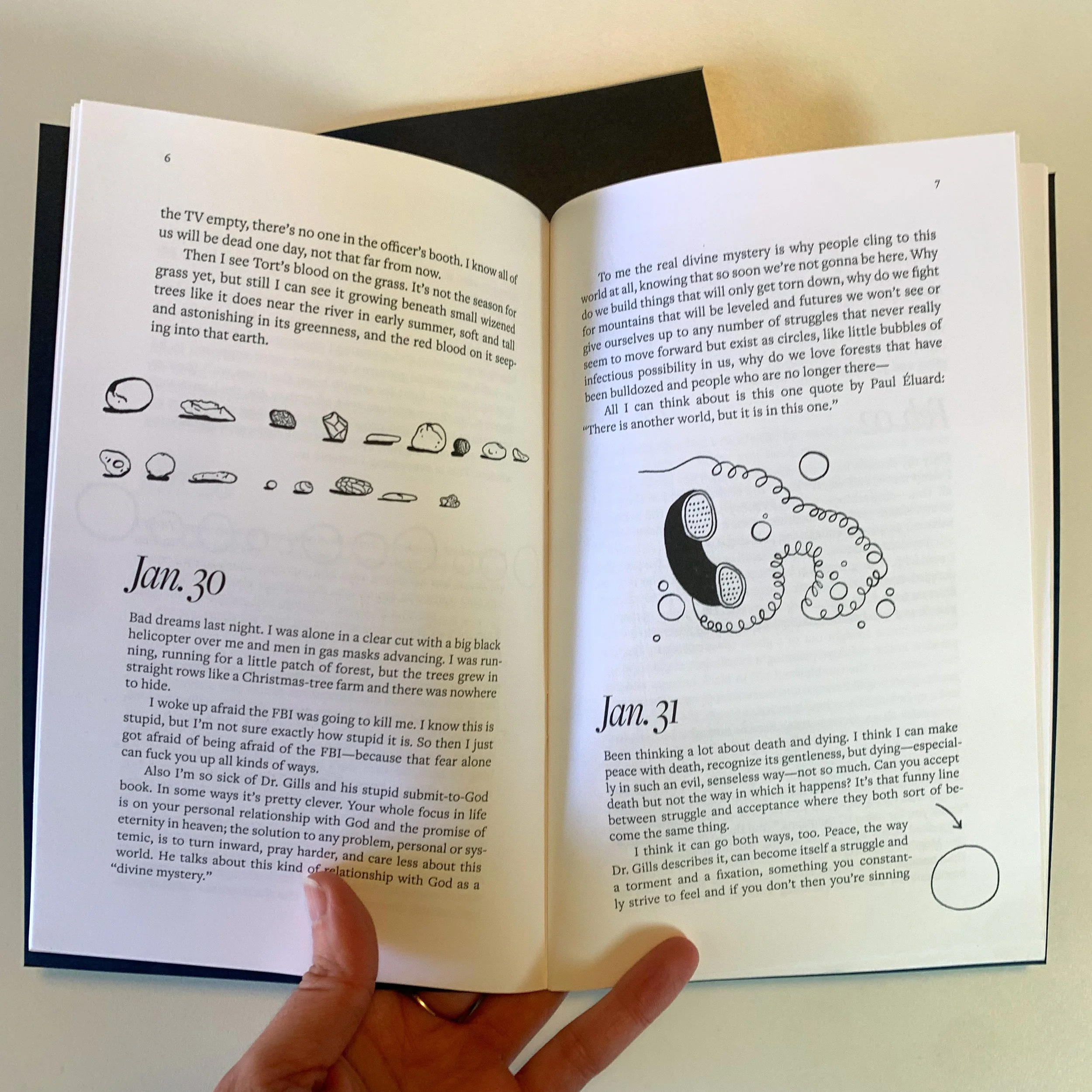
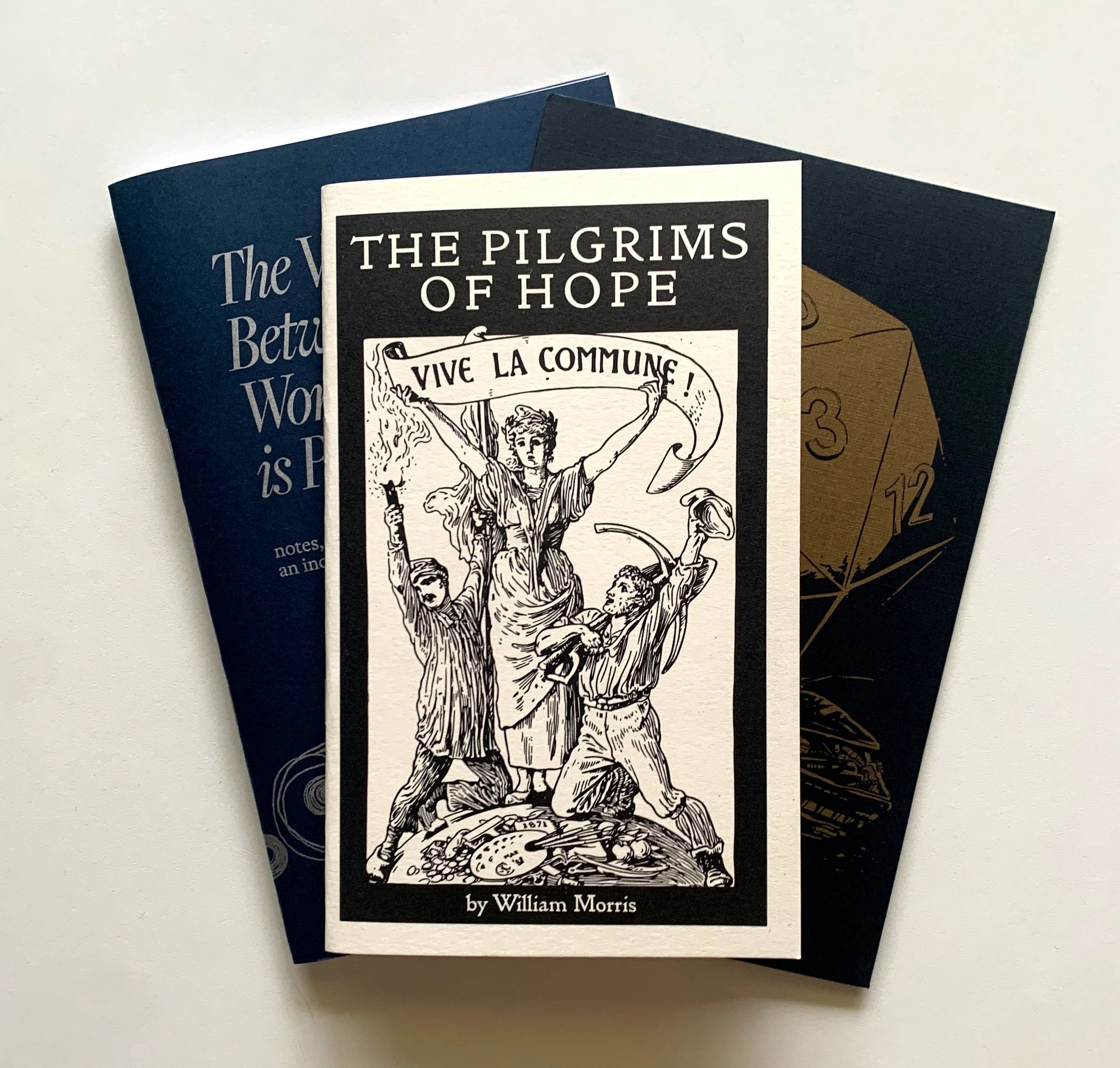
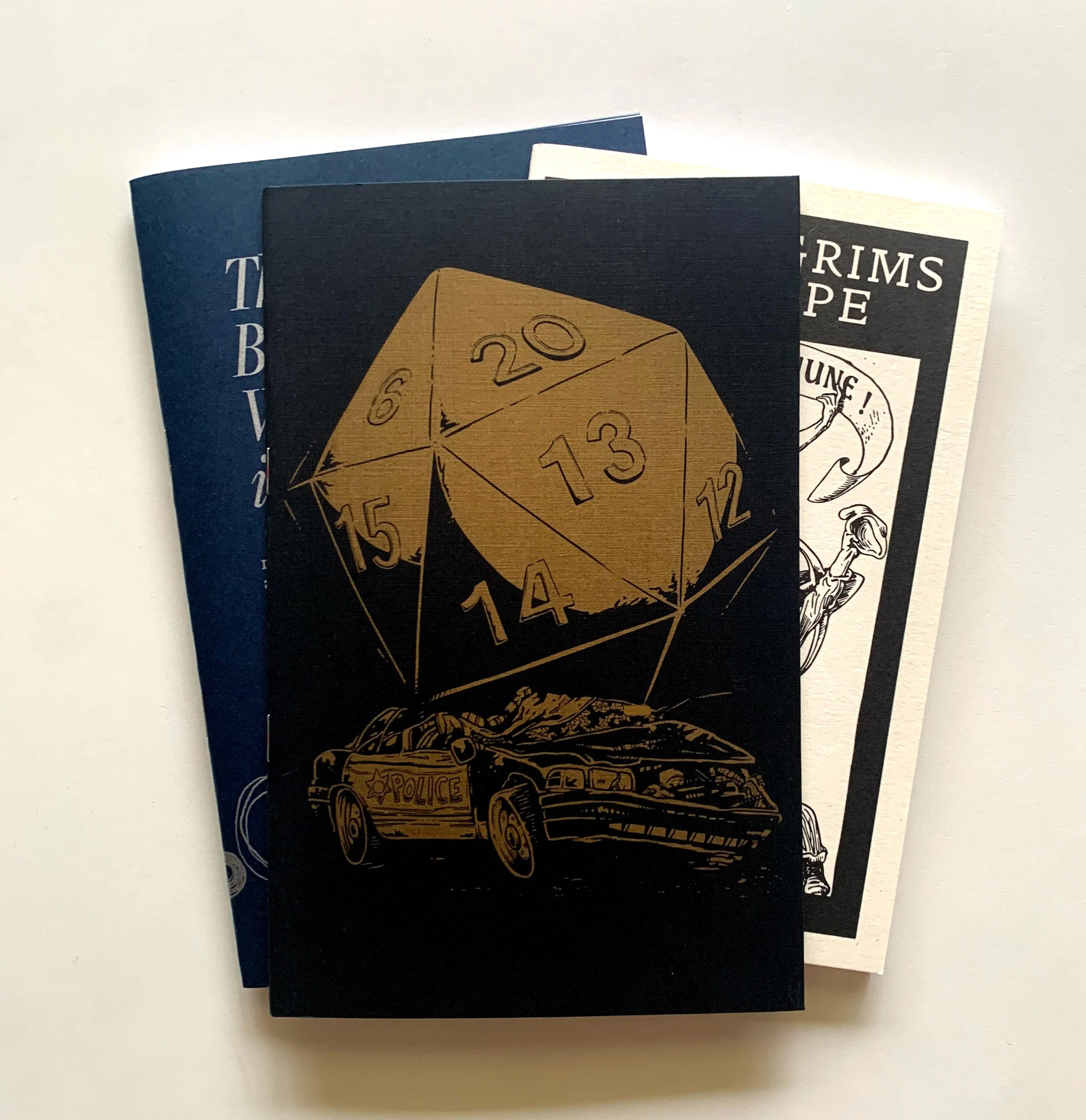
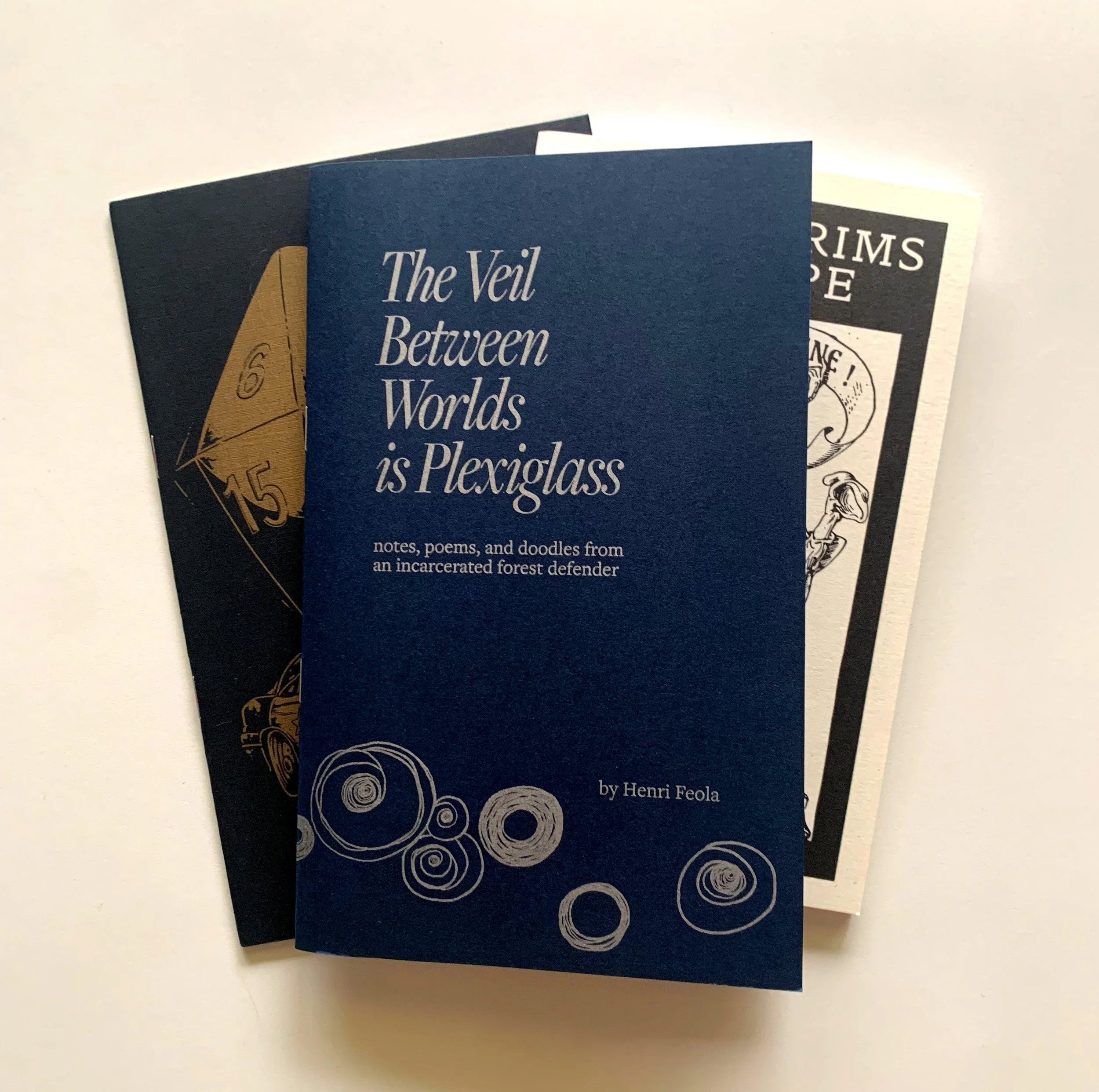
This half-letter sized zine was beautifully printed by Eberhardt Press with cover art and illustrations by Casandra Johns. Find a digital version of the zine here.
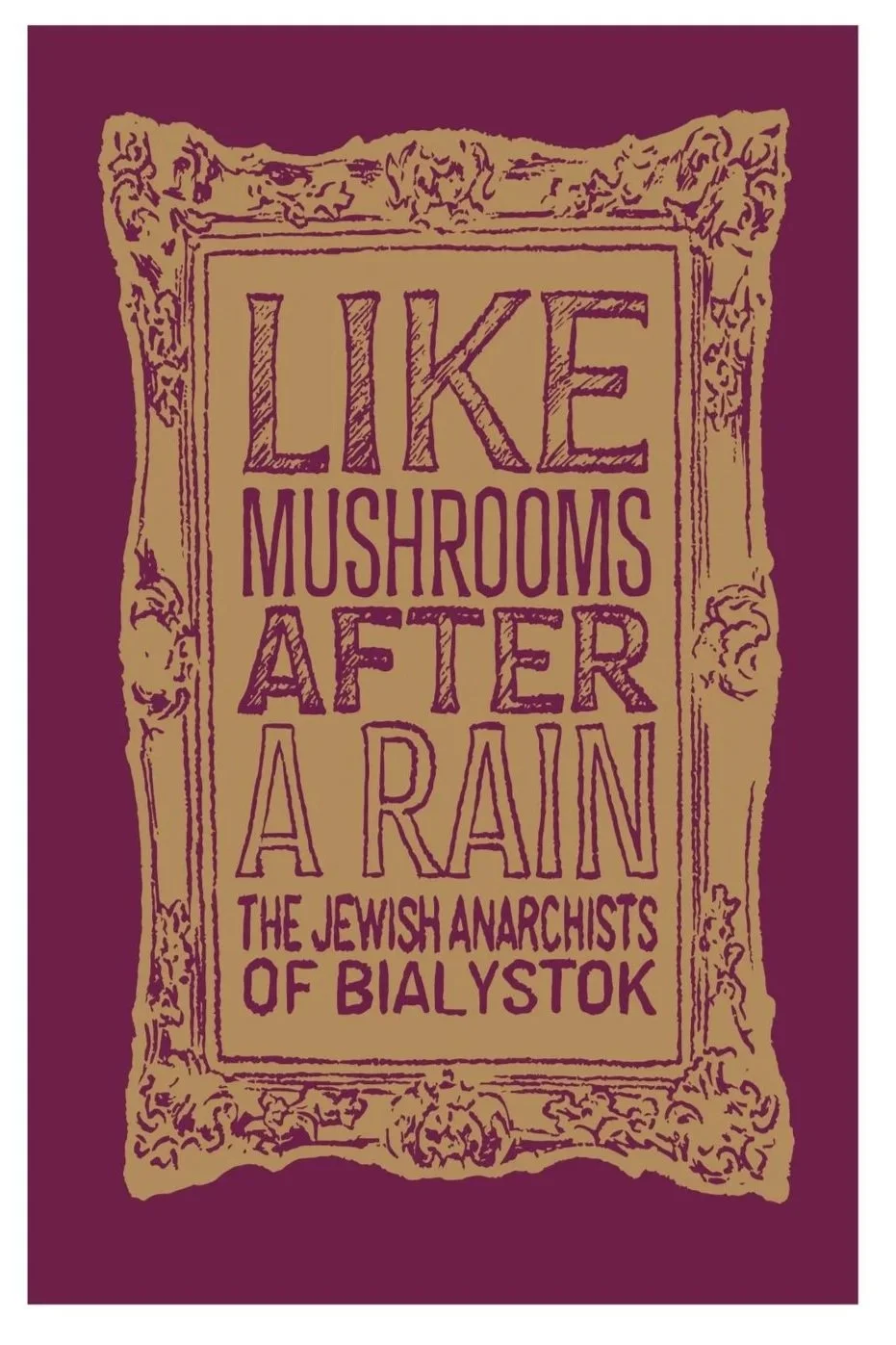
This is an incomplete history of some poor Jewish teenagers who spread a ton of anarchy from one small corner of the Russian Empire between 1903 and 1907. They identified the entire social order as their enemy and set about attacking it with words, daggers, bullets, fire, and bombs—lots of bombs. They believed in insurrection and the sanctity of the unrestrained idea. They despised the professional “revolutionaries” who suffocated revolt and the Jewish traitors who stood among their oppressors. They traveled restlessly, forged bonds across the continent, and convened large meetings under the open sky. They constantly reinvented themselves, claiming new names and formations when it suited them. They spoke in Yiddish, language of the unassimilated Jewish poor, and some of them knew how to write it. They called themselves terrorists. They loved each other.
Their rebellion was crushed by executions and reforms. From exile, one of them wrote: “It is necessary right now to create one contrary, antithetical spot in the huge picture which represents democracy. Just one spot. It will flare up and then be extinguished. But it will leave a trace.
This half-letter sized zine was beautifully printed by Eberhardt Press with cover art and illustrations by Casandra Johns. Find a digital version of the zine here.
This is an incomplete history of some poor Jewish teenagers who spread a ton of anarchy from one small corner of the Russian Empire between 1903 and 1907. They identified the entire social order as their enemy and set about attacking it with words, daggers, bullets, fire, and bombs—lots of bombs. They believed in insurrection and the sanctity of the unrestrained idea. They despised the professional “revolutionaries” who suffocated revolt and the Jewish traitors who stood among their oppressors. They traveled restlessly, forged bonds across the continent, and convened large meetings under the open sky. They constantly reinvented themselves, claiming new names and formations when it suited them. They spoke in Yiddish, language of the unassimilated Jewish poor, and some of them knew how to write it. They called themselves terrorists. They loved each other.
Their rebellion was crushed by executions and reforms. From exile, one of them wrote: “It is necessary right now to create one contrary, antithetical spot in the huge picture which represents democracy. Just one spot. It will flare up and then be extinguished. But it will leave a trace.