 Image 1 of 5
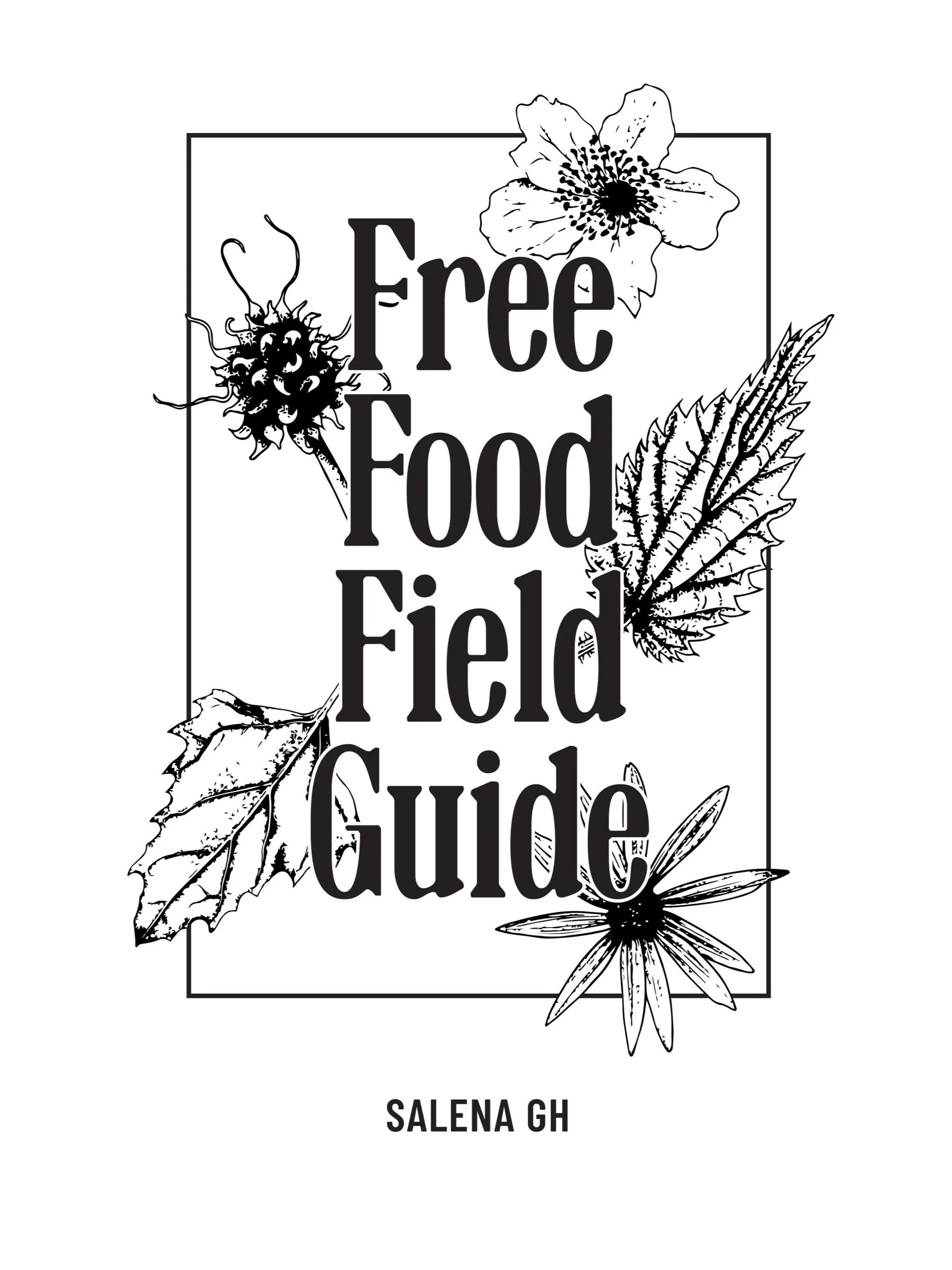 Image 2 of 5
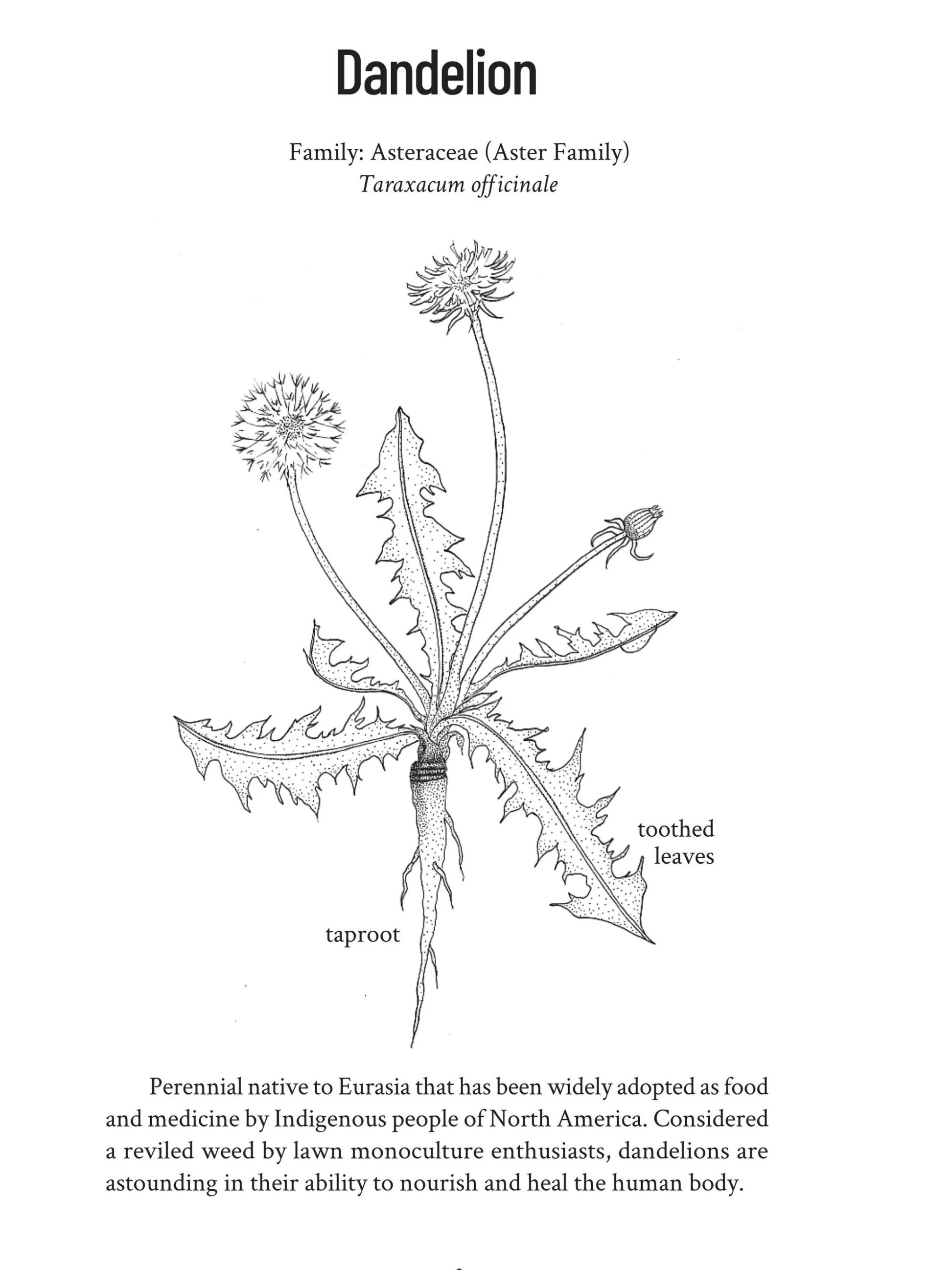 Image 3 of 5
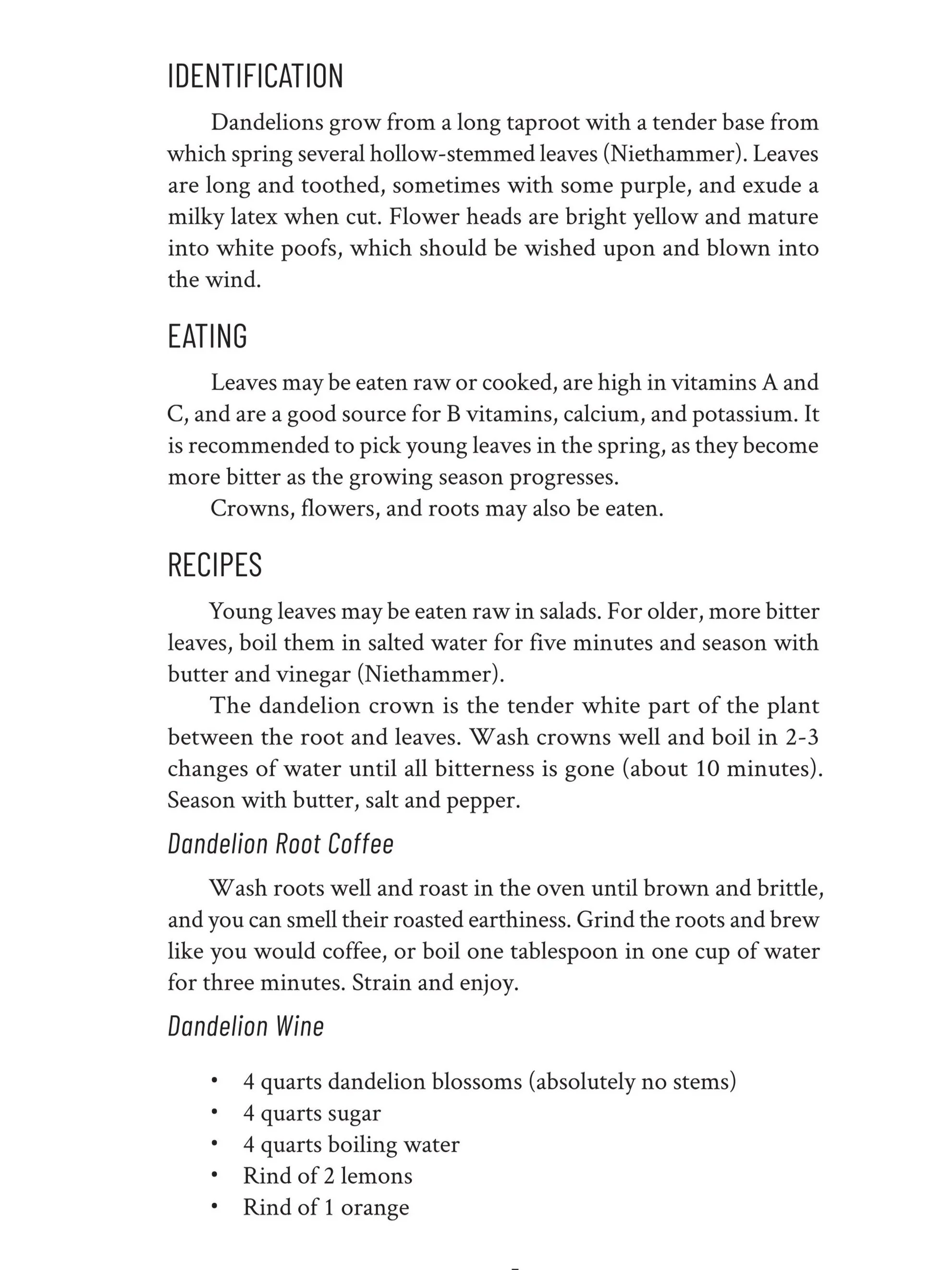 Image 4 of 5
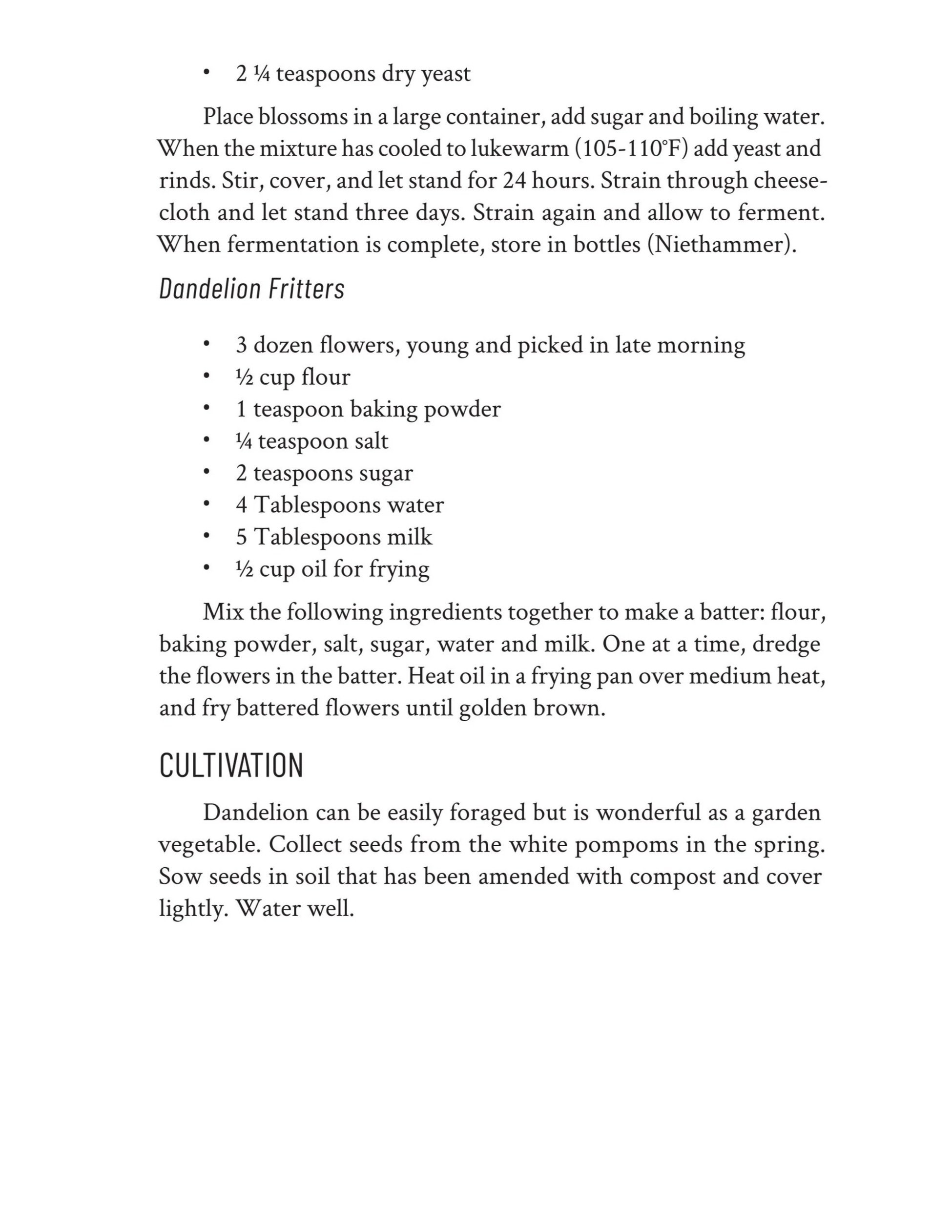 Image 5 of 5
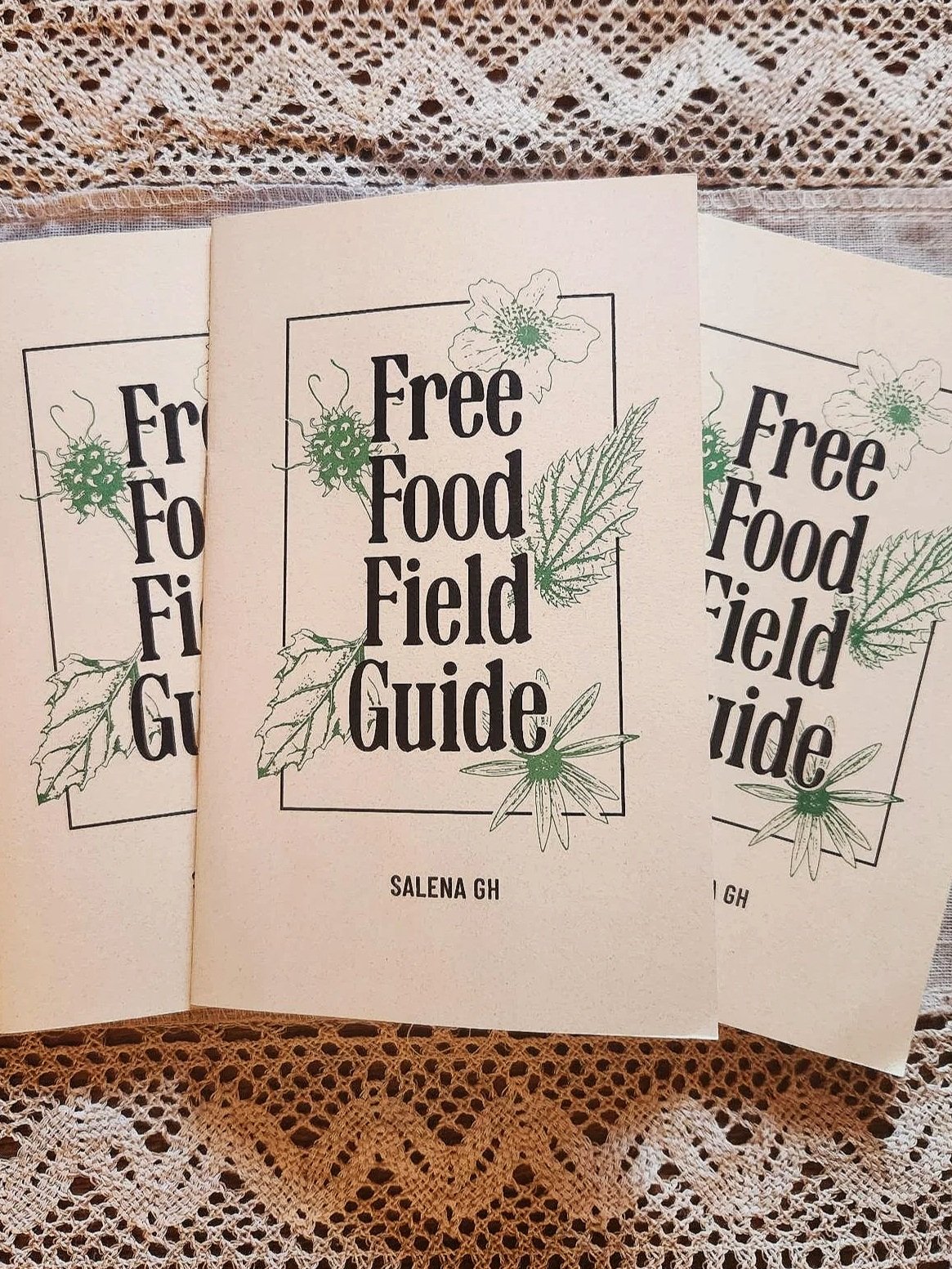
This listing is for a print version of Free Food Field Guide by Salena GH. This half-letter sized zine was beautifully printed by Eberhardt Press with cover illustration by Casandra Johns.
You can read this zine for free here.
Learn about chickweed, dandelion, wild onions, asparagus, stinging nettle, lamb’s quarters, rubus spp, vaccinium spp, and sunchoke. The guide contains identification descriptions, nutritive qualities, recipes, botanical illustrations, and tips for cultivating the plants covered.
It has become obvious that the economic and food systems we all live in and depend upon can be easily disrupted by any number of potential catastrophes. It would be beneficial for anyone whois interested in food sovereignty to practice a little rewilding, by which I mean we should take a cue from our ancestors and nourish ourselves with what is readily growing at our feet.This booklet is a short list of plants that will help introduce the concepts of foraging, wild tending, and horticulture to beginners.This list is by no means exhaustive and should be expanded upon as experience and confidence grow.The criteria for plants included in this collection are as follows:
Plant species must have a wide range throughout the contiguous US.
Plants must be common, which can include natives, weeds, plants classified by the USDA as invasive, and cultivated annuals and perennials.
There are no toxic look-alikes. For safety concerns, plants belonging to the parsley and nightshade families have been intentionally excluded from this beginner’s guide.
Plant species are easy to identify.
Plant parts provide nourishment.
Plants are relatively hardy and easy to propagate, forage, and/or tend.•Plants are easy to harvest, process, and cook.
Plant species exist in urban, suburban, and rural envi-ronments.
Wherever there is a crack in the concrete, aback yard, or an empty lot!Always be 100 percent certain of a plant species if you plan to eat it. Ask someone else’s opinion if you can or consult another resource. Once you familiarize yourself with what’s growing in the ground, rewilding can be fun and satisfying!
This listing is for a print version of Free Food Field Guide by Salena GH. This half-letter sized zine was beautifully printed by Eberhardt Press with cover illustration by Casandra Johns.
You can read this zine for free here.
Learn about chickweed, dandelion, wild onions, asparagus, stinging nettle, lamb’s quarters, rubus spp, vaccinium spp, and sunchoke. The guide contains identification descriptions, nutritive qualities, recipes, botanical illustrations, and tips for cultivating the plants covered.
It has become obvious that the economic and food systems we all live in and depend upon can be easily disrupted by any number of potential catastrophes. It would be beneficial for anyone whois interested in food sovereignty to practice a little rewilding, by which I mean we should take a cue from our ancestors and nourish ourselves with what is readily growing at our feet.This booklet is a short list of plants that will help introduce the concepts of foraging, wild tending, and horticulture to beginners.This list is by no means exhaustive and should be expanded upon as experience and confidence grow.The criteria for plants included in this collection are as follows:
Plant species must have a wide range throughout the contiguous US.
Plants must be common, which can include natives, weeds, plants classified by the USDA as invasive, and cultivated annuals and perennials.
There are no toxic look-alikes. For safety concerns, plants belonging to the parsley and nightshade families have been intentionally excluded from this beginner’s guide.
Plant species are easy to identify.
Plant parts provide nourishment.
Plants are relatively hardy and easy to propagate, forage, and/or tend.•Plants are easy to harvest, process, and cook.
Plant species exist in urban, suburban, and rural envi-ronments.
Wherever there is a crack in the concrete, aback yard, or an empty lot!Always be 100 percent certain of a plant species if you plan to eat it. Ask someone else’s opinion if you can or consult another resource. Once you familiarize yourself with what’s growing in the ground, rewilding can be fun and satisfying!